Commerce Link Platform
Role
Senior Product Designer, 0-to-1, full interface and interaction patterns
Scope
Internal platform serving every Pillar4 brand
Tools
Figma, Claude, Claude Code, Figma MCP
Timeline
1 month
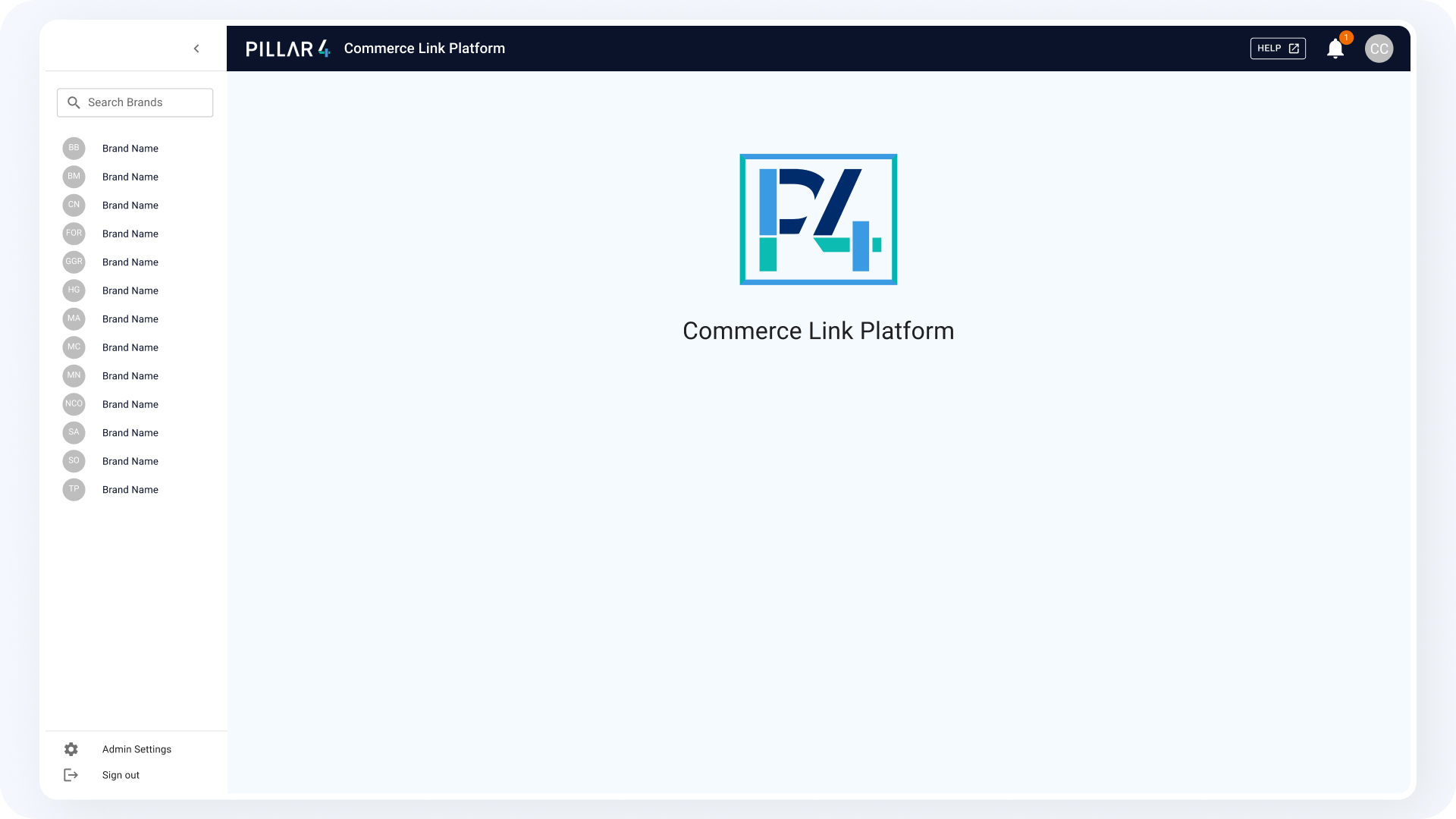
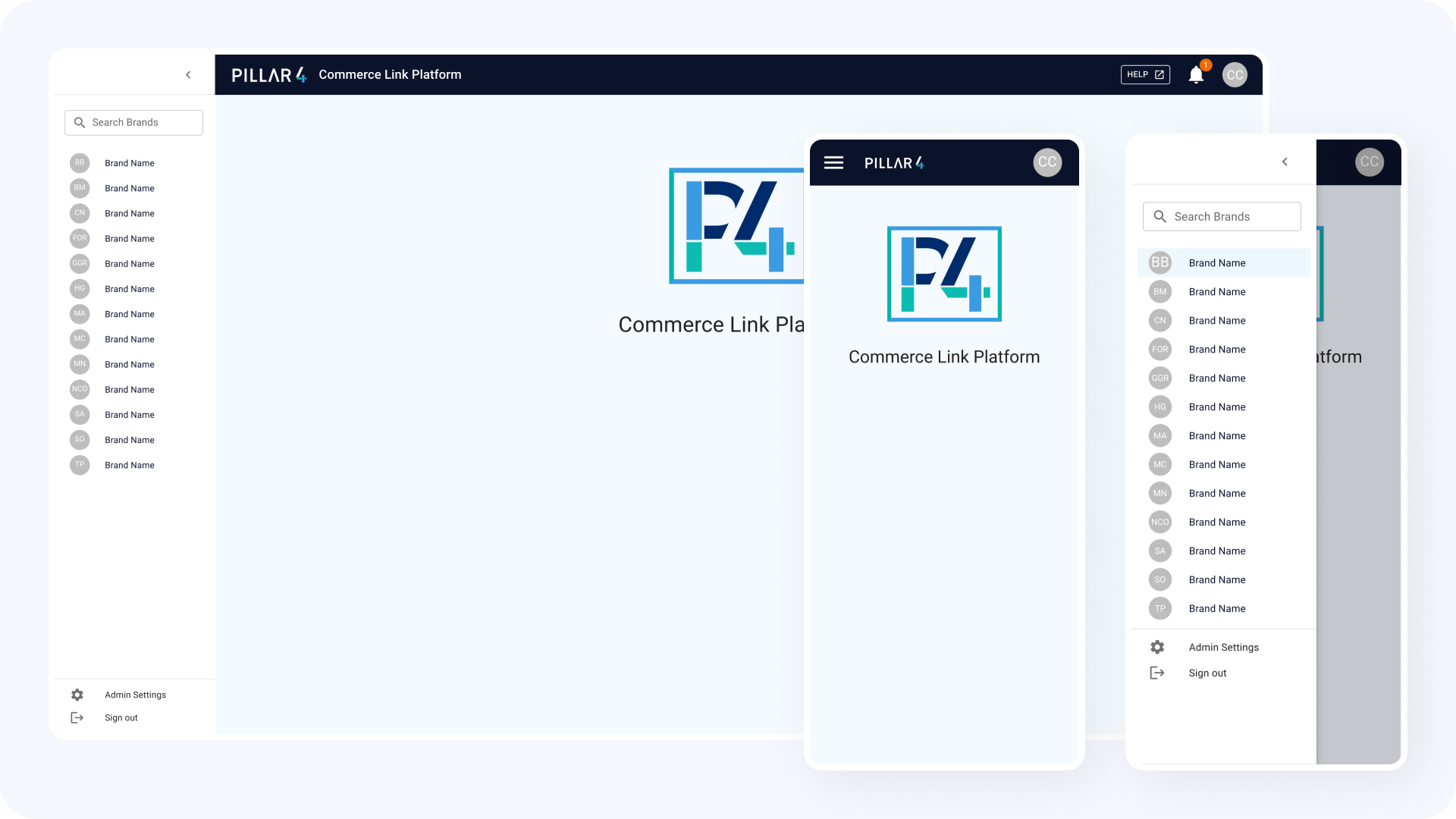
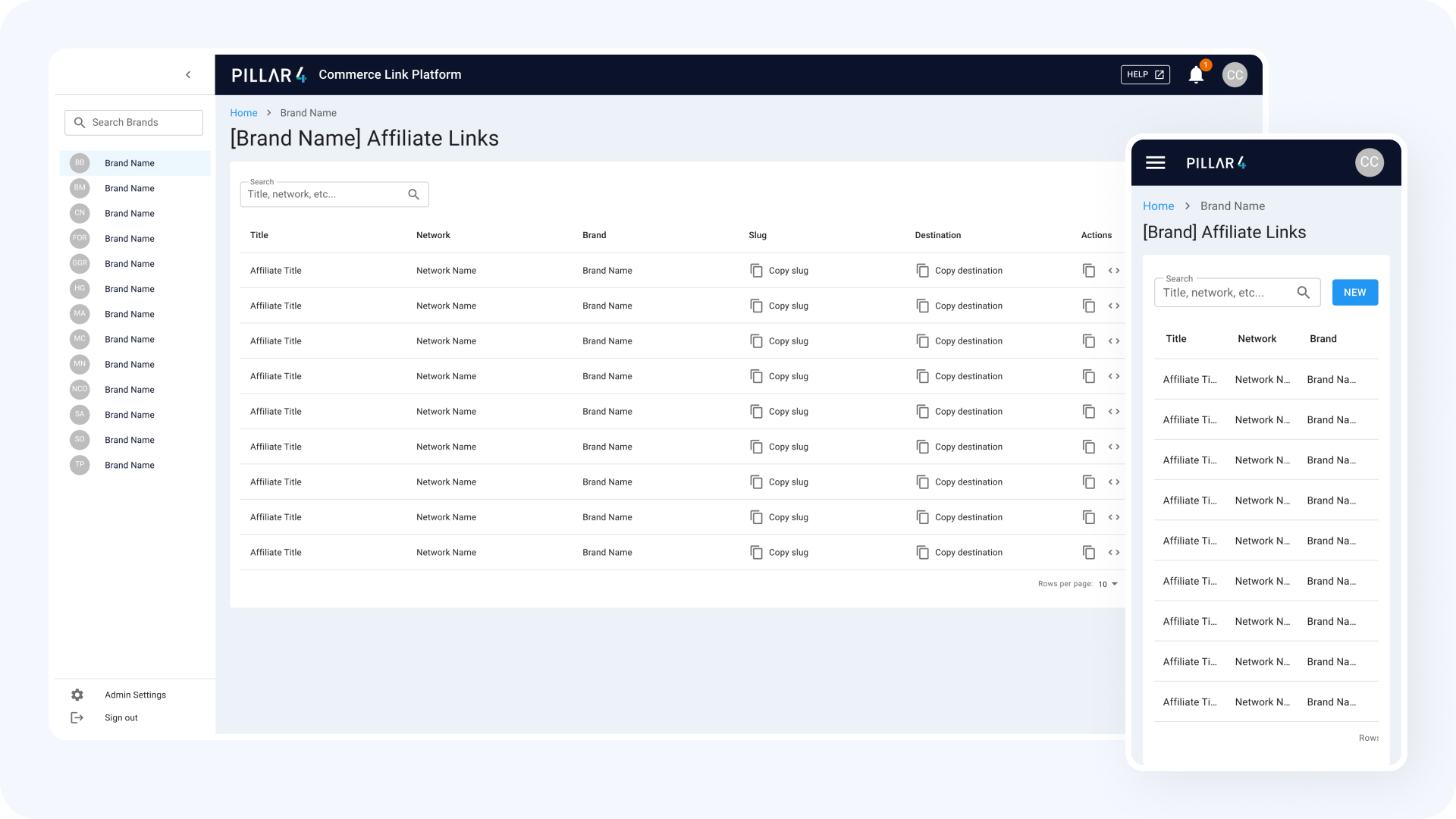
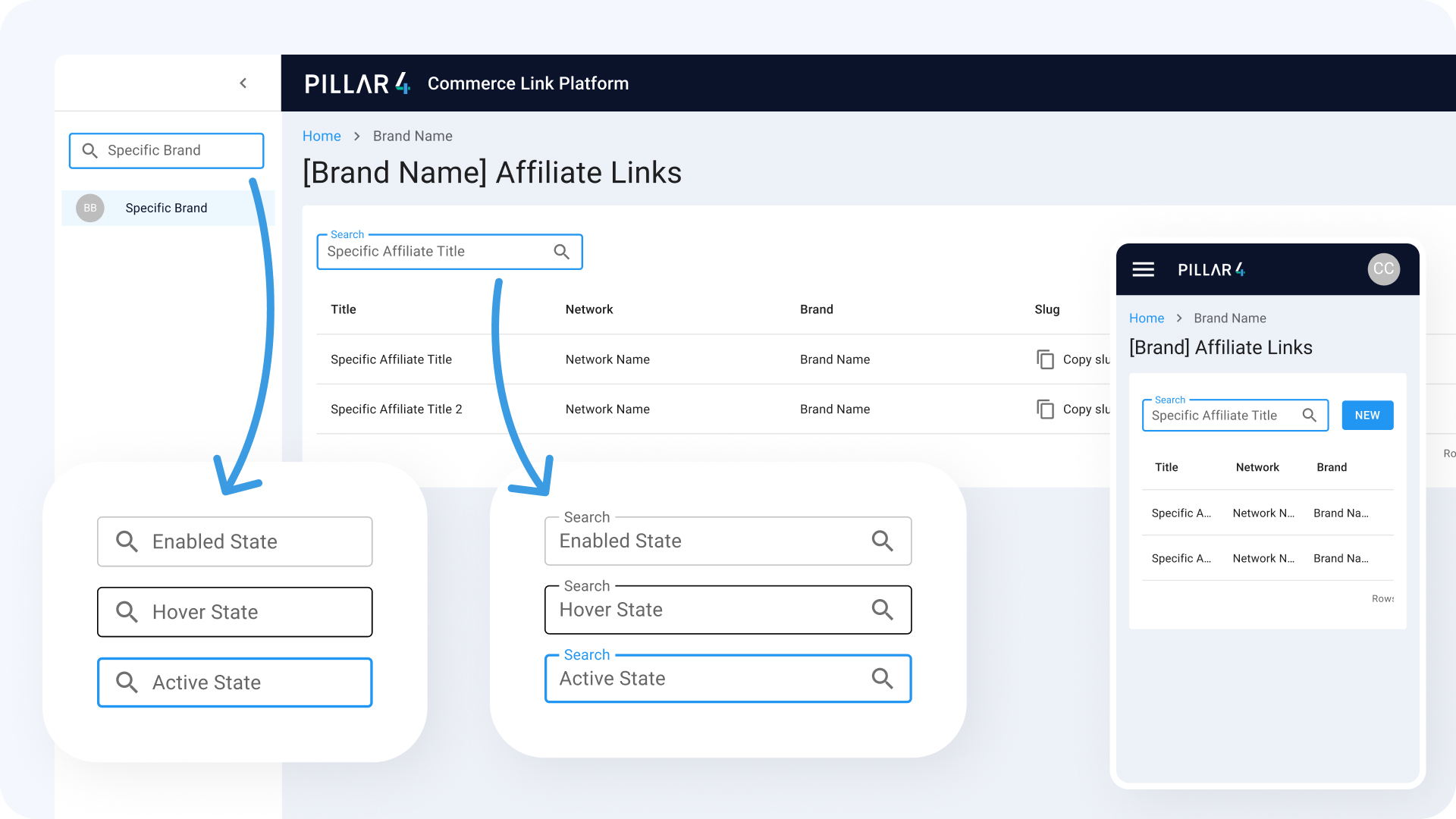
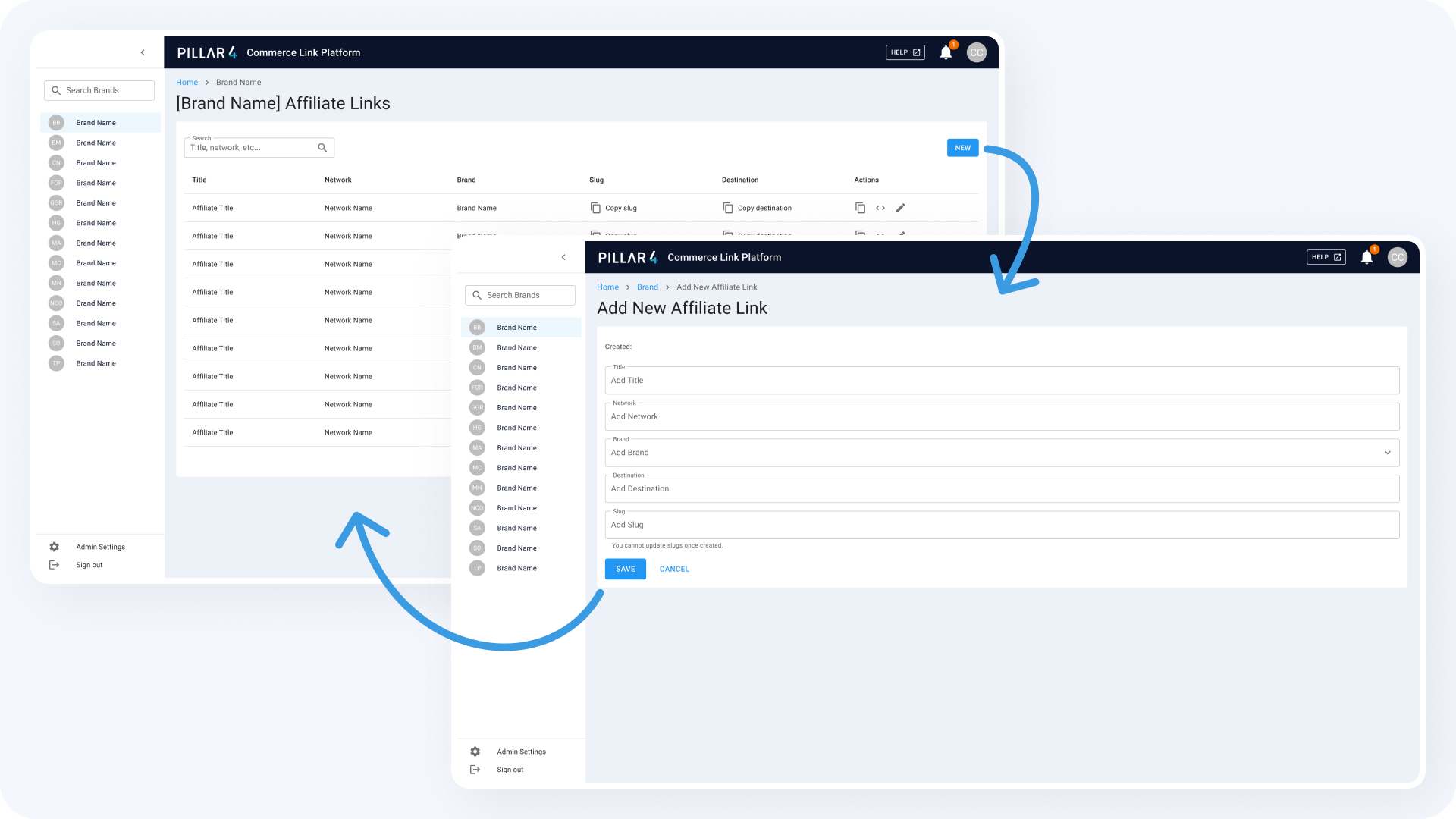
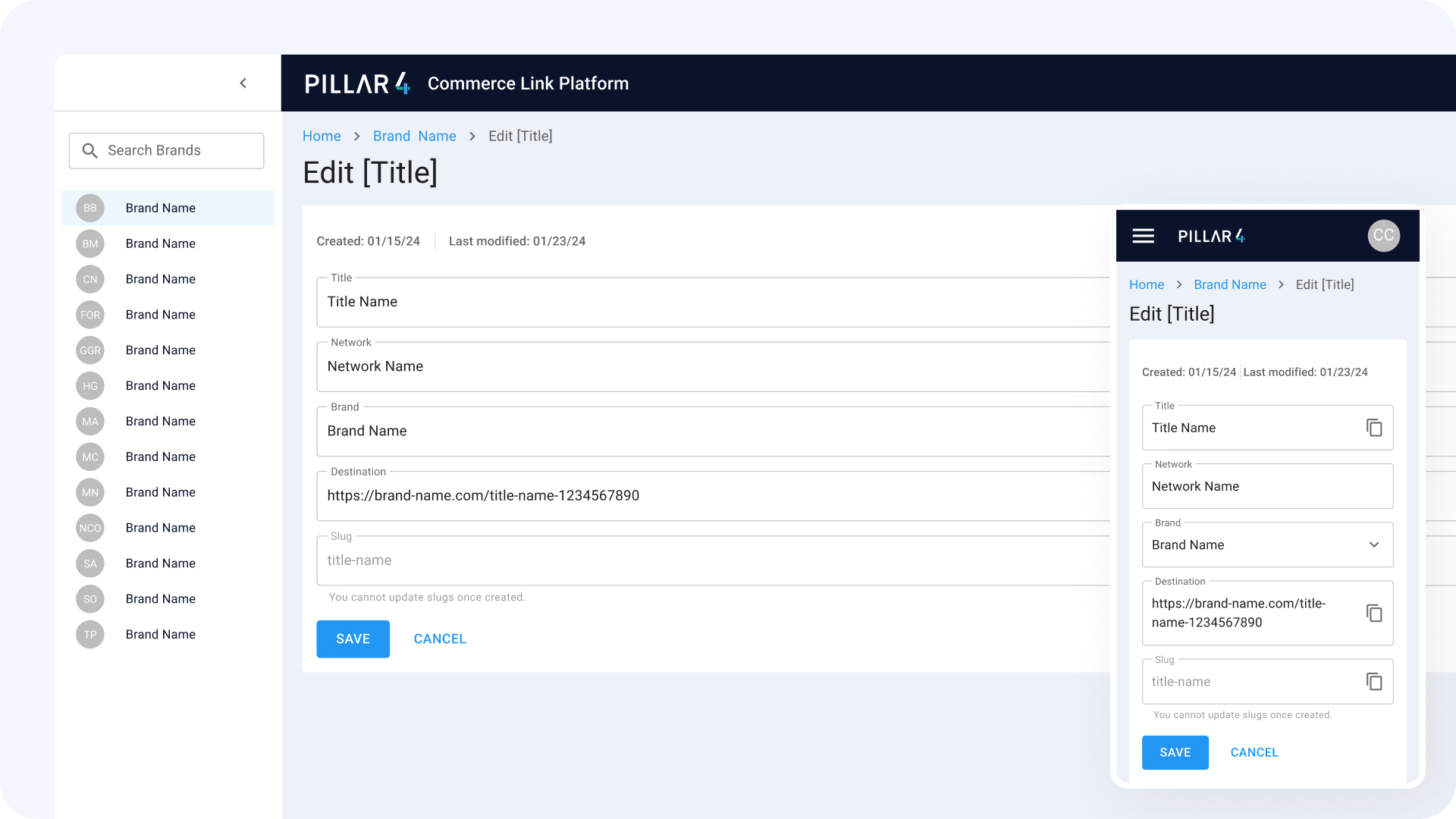
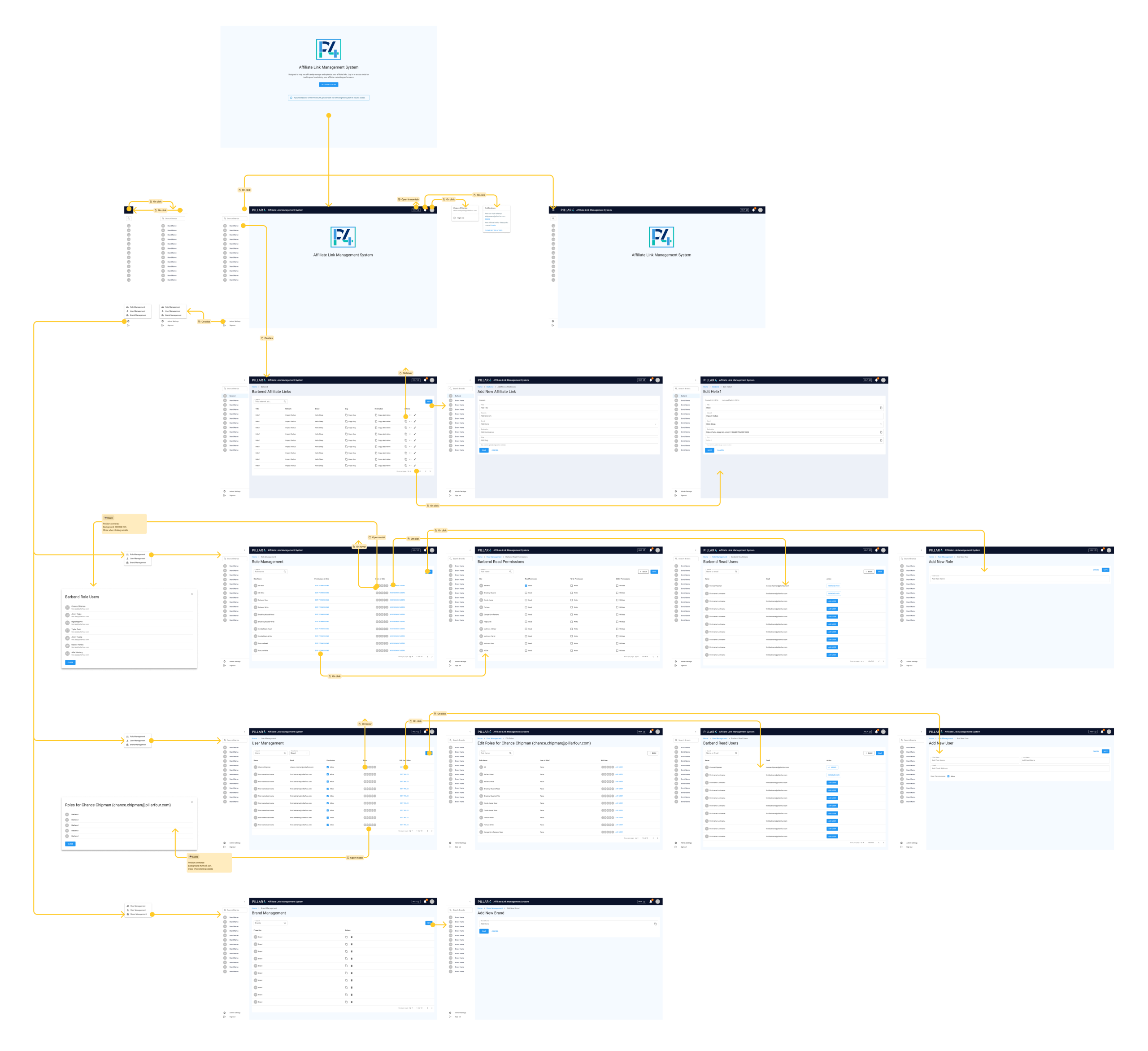
Pillar4’s affiliate revenue runs through thousands of links that have to be accurate, current, and findable at the moment an editor needs one. Before this platform, that ran on manual tracking in an outdated tool with no real search, and four teams each had their own workaround. I designed the replacement 0-to-1, the full interface and interaction patterns, around one moment: the seconds between “I need a link” and “it’s in the content.” Link search went from minutes to seconds, and the platform was adopted company-wide at launch.
Links Managed
Brands, One Source of Truth
Teams In It Daily
Platform Replacing Every Workaround
The Problem
A wrong link isn’t a cosmetic bug. It’s revenue quietly routed nowhere, at portfolio scale. Duplicate and stale links were causing real revenue errors, editors were losing minutes per search mid-deadline, and the manual tracking process couldn’t scale with a growing portfolio of brands and merchants.
What Ran on Links
- Thousands of affiliate links across monetized content
- Editorial, SEO, product, and paid teams referencing them daily
- Revenue tied directly to correct link placement
What Was Breaking
- No structured organization or search in the previous tool
- Duplicate and stale links causing revenue errors
- Slow editorial workflows for locating and updating links
- Manual tracking that couldn't scale
What I Did
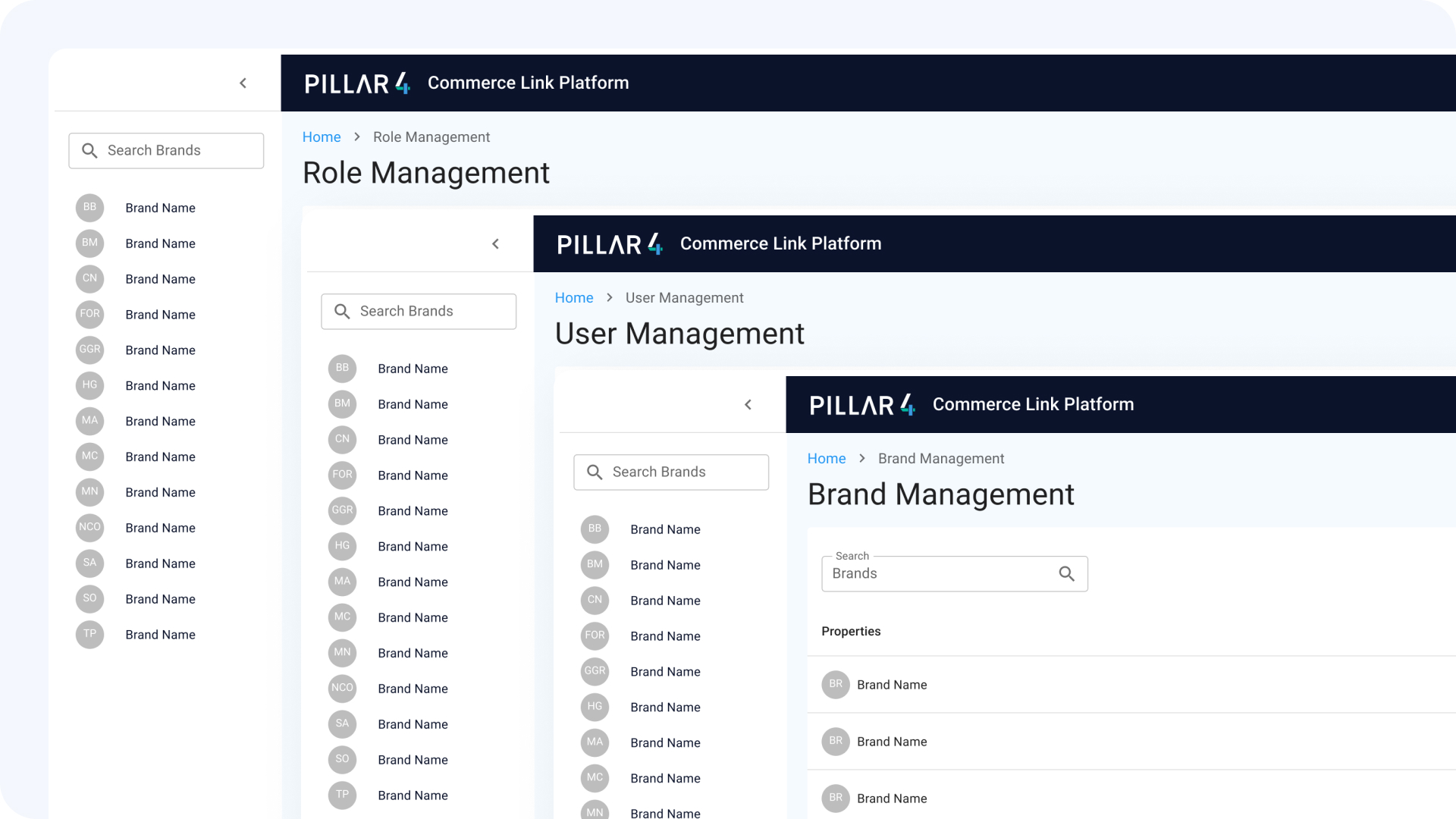
The bet behind the design: internal tools fail by being built around the data instead of the people. This one was designed around the editor’s moment, and everything else, taxonomy, admin, structure, serves that moment. If the editor workflow won, adoption would follow without a mandate.
Adoption Was the Test
Internal tools don’t get a conversion rate. The metric that matters is whether people choose the tool when nobody makes them. The hypothesis: win the workflow of the people who touch links fifty times a day, and adoption follows without a mandate. At launch, editorial, SEO, product, and paid all moved in and dropped the workarounds they’d built.
Daily Active Users
Link Searches Per Week
Links In the System
Fewer Link Errors
The Tradeoffs
Scope pressure on v1 was real: link governance, approval chains, and analytics dashboards all had claims on it. We shipped the editor workflow first and let admin tooling follow, because the platform only worked if the people touching links fifty times a day chose it voluntarily. The cost: admins ran on thinner tooling longer than they wanted. The result: the people we optimized for adopted it at launch and pulled everyone else in.
What It Changed
The platform turned link accuracy from a recurring fire into infrastructure nobody thinks about, which is the highest compliment an internal tool gets. It scales with the portfolio by design: new brands, merchants, and links onboard without new process. And it set a precedent inside Pillar4 that internal tools deserve real product design, which changed what teams ask for now.
Additional Pillar4 Work
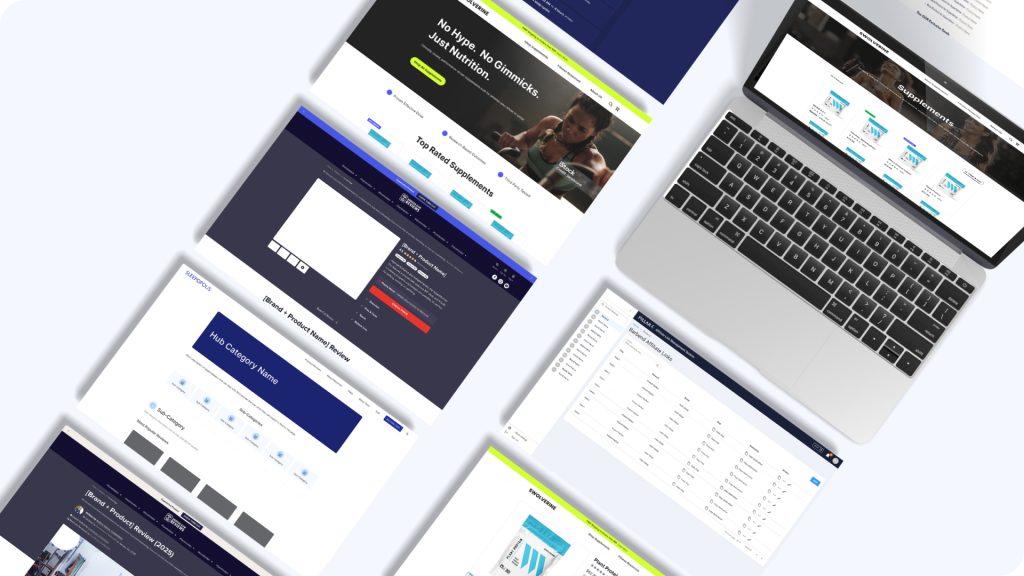
Pillar4 Media
The design function, the experimentation program, and the AI workflow across the full 20+ brand portfolio.
Measurable Revenue
A/B Tests Run
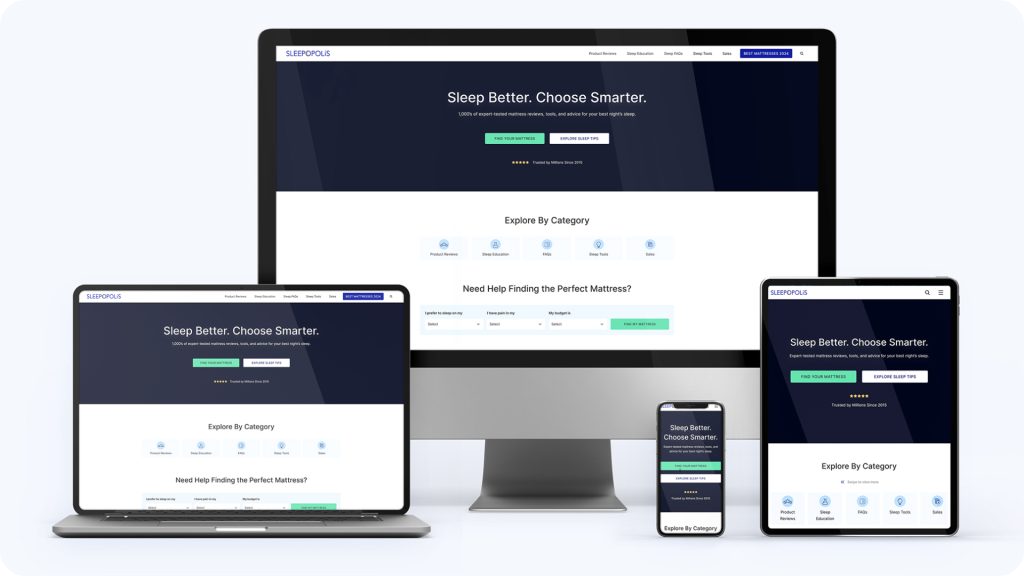
Sleepopolis
I lead UX strategy and experimentation for a high-traffic sleep affiliate platform. This is where the experimentation playbook was built.
Revenue Growth
Winning Tests
Garage Gym Reviews
The proof the playbook transfers. I set UX direction for the fitness equipment review platform, delegated detailed design, and shipped the site’s first product pages.
Revenue Growth
Winning Tests
Swolverine
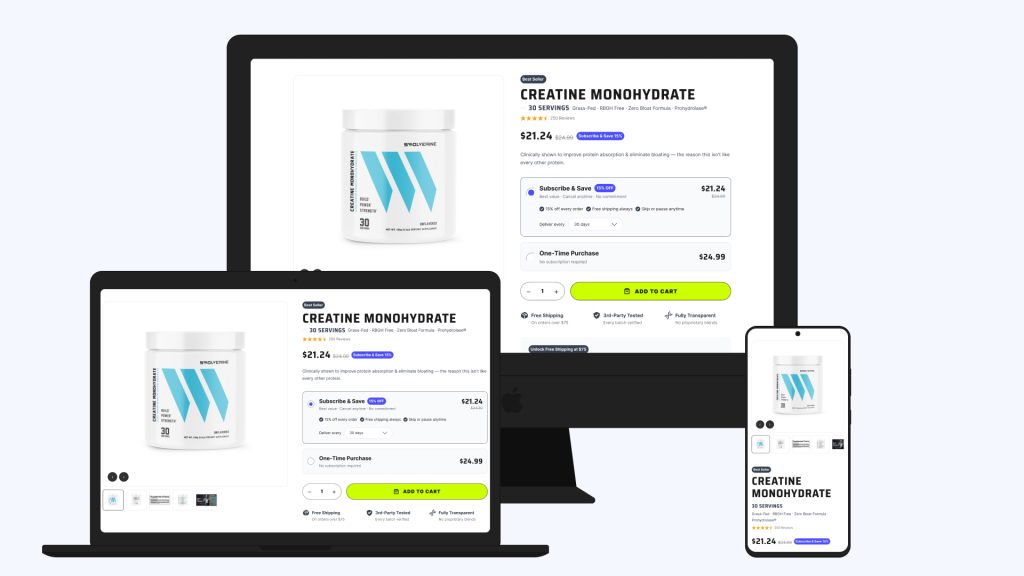
A full UX audit and redesign of a 100+ SKU supplement store, organized around ingredient education: navigation, product pages, and checkout.
SKUs Restructured
Connected Redesign Areas