Pillar4 Media

  • Role

    Senior Product Designer

  • Scope

    10+ Consumer & Partner Brands

  • Surfaces

    Content, Commerce & Internal Platform

Cross-Brand UX Strategy Across a Revenue-Driven Portfolio

I drive UX strategy across a portfolio of 10+ consumer and partner brands, turning design from a support function into one of the company’s primary revenue levers. Over three years, that’s meant building experimentation systems, scaling design patterns across brands, and partnering with product, engineering, and editorial teams to generate $25M+ in measurable revenue.

Measurable Results

Revenue Growth

$25 Million

Incremental revenue generated across owned and partner brands.

Testing Maturity

88.24% Increase

Experimentation output increased through structured testing processes.

Conversion Performance

+35.6% Lift

Average conversion rate improvement across major initiatives.

Take Rate Improvement

+11.3% Lift

Average take rate increase across monetized experiences.

Revenue Per Visit

+25.65% Lift

Average revenue per visit improvement.

Quiz Optimization

+49.1% Lift

Highest performing conversion improvement from quiz optimization.

Business Landscape

Pillar4 operates a portfolio of high-traffic consumer brands alongside strategic publishing partnerships. Driving performance across this ecosystem required consistent UX standards, experimentation frameworks, and product systems that could scale across multiple brands and audiences.

Owned & Operated Brands

Pillar4’s owned brands generate revenue through high-intent organic traffic and affiliate commerce. Improving performance required aligning UX structure, experimentation, and product discovery across multiple sites.

Partner Brands

Pillar4 also collaborates with major publishing and consumer brands, supporting UX improvements that strengthen product discovery and monetization while maintaining each partner’s brand standards.

How UX Became a Revenue Driver

UX evolved from a support function into a strategic revenue driver across the organization.

Strategic Alignment

How UX became part of revenue planning

When I joined, UX was largely a support function. Design happened downstream of decisions that had already been made. I worked with product leadership to change that, embedding UX into revenue strategy and experimentation planning from the beginning. Over three years, this shift contributed to $25M+ in incremental revenue across organic and paid initiatives.

UX became part of revenue planning, not just implementation.

Structural Consistency

Making performance improvements repeatable

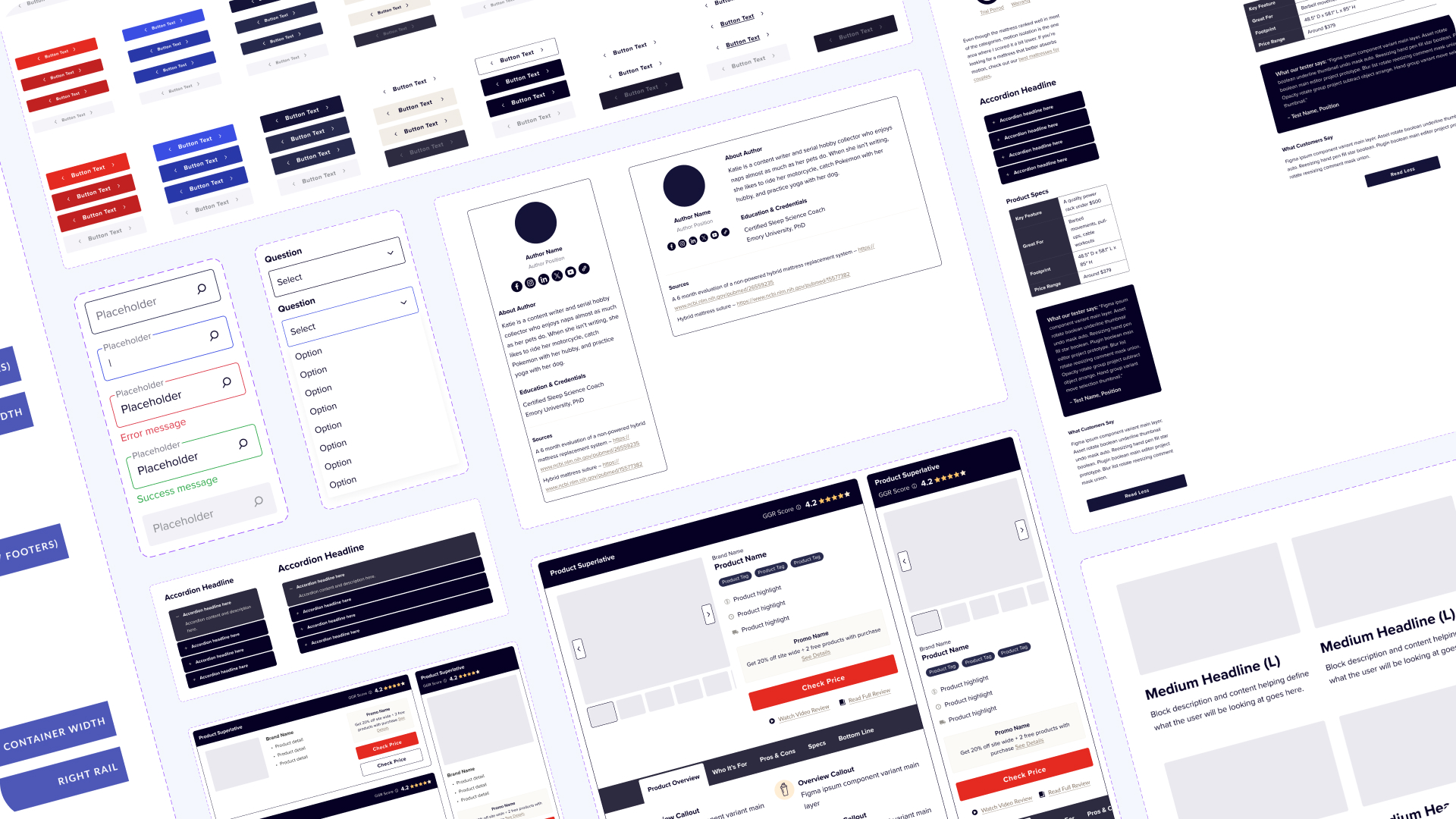
Scaling across 10+ brands meant I couldn’t design one-off solutions for every site. I built shared design patterns, standardized CTA hierarchy and monetization placement across templates, and rebuilt parts of the design workflow around Claude and Claude Code to move faster without losing quality. The goal was to make performance improvements repeatable rather than incidental.

Performance Outcomes

Measuring design by business results

Every UX decision tied back to a measurable outcome. Conversion rates, take rates, revenue per visit, and experimentation velocity all became part of how we evaluated design work. The metrics at the top of this page are the result of that shift in how we measured success.

Working Across Teams

Revenue performance strengthened through tighter coordination across acquisition and lifecycle teams.

Product & Engineering

Partnered with product managers and engineers to translate experimentation insights into scalable product improvements.

Paid Media

UX collaborated with paid media teams to optimize landing experiences and improve conversion performance.

SEO & Content

Worked closely with SEO and editorial teams to ensure UX improvements supported both ranking performance and user intent.

AI in the Design Workflow

AI is embedded in how I actually design, not a separate initiative on the side. Over the last year I’ve rebuilt pieces of my workflow around Claude and Claude Code, from pre-design research through post-design handoff. The work gets done faster and the team’s baseline output has moved up. Here’s where it shows up in practice.

Across the Design Lifecycle

AI shortens every phase of the design process, not just one.

Compressing Design-to-Dev

AI has changed what design can deliver before engineering gets involved.

Scaling AI Across the Org

The biggest gains come from AI being a team practice, not a personal one.

Portfolio-Wide Applications

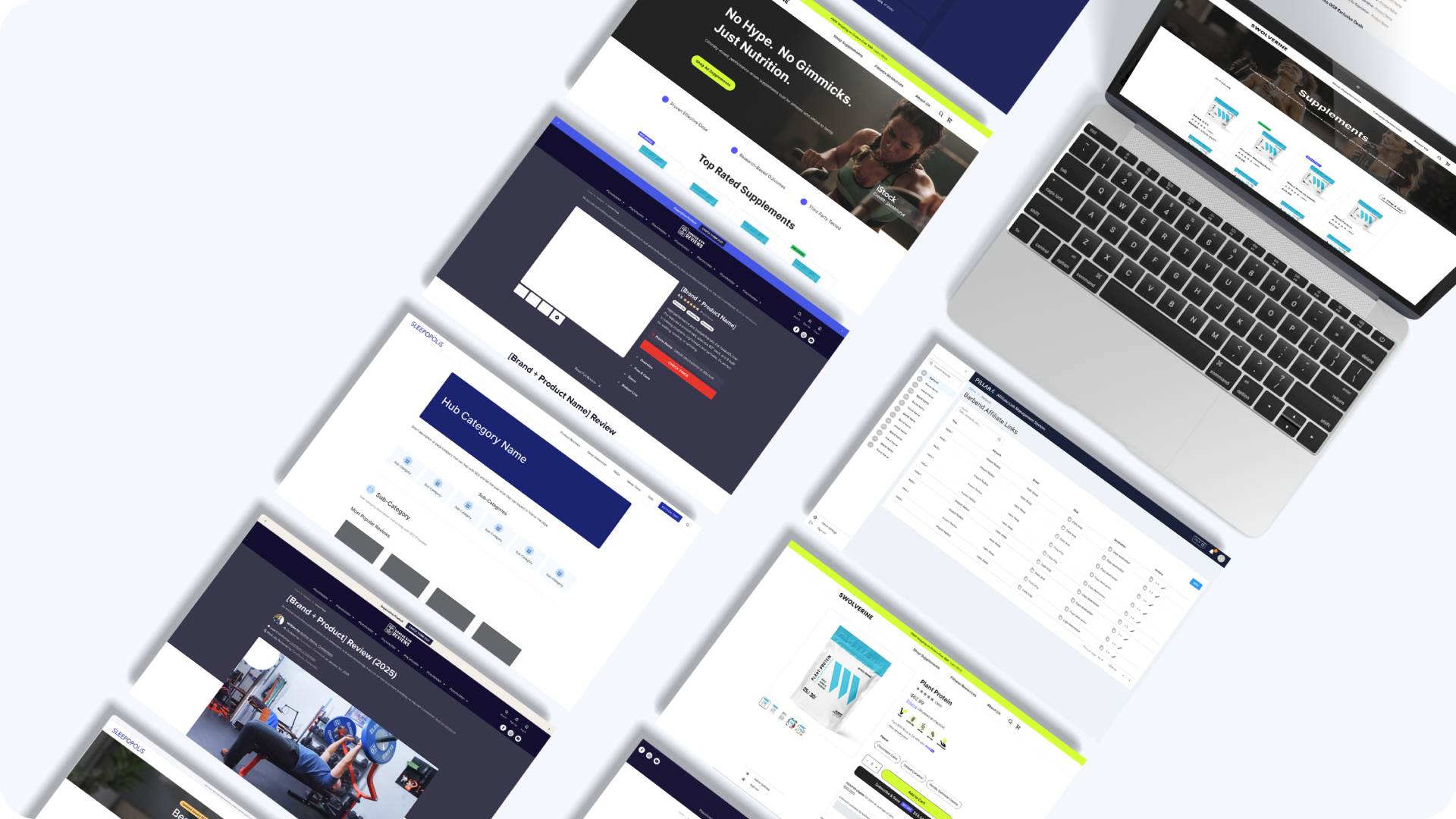
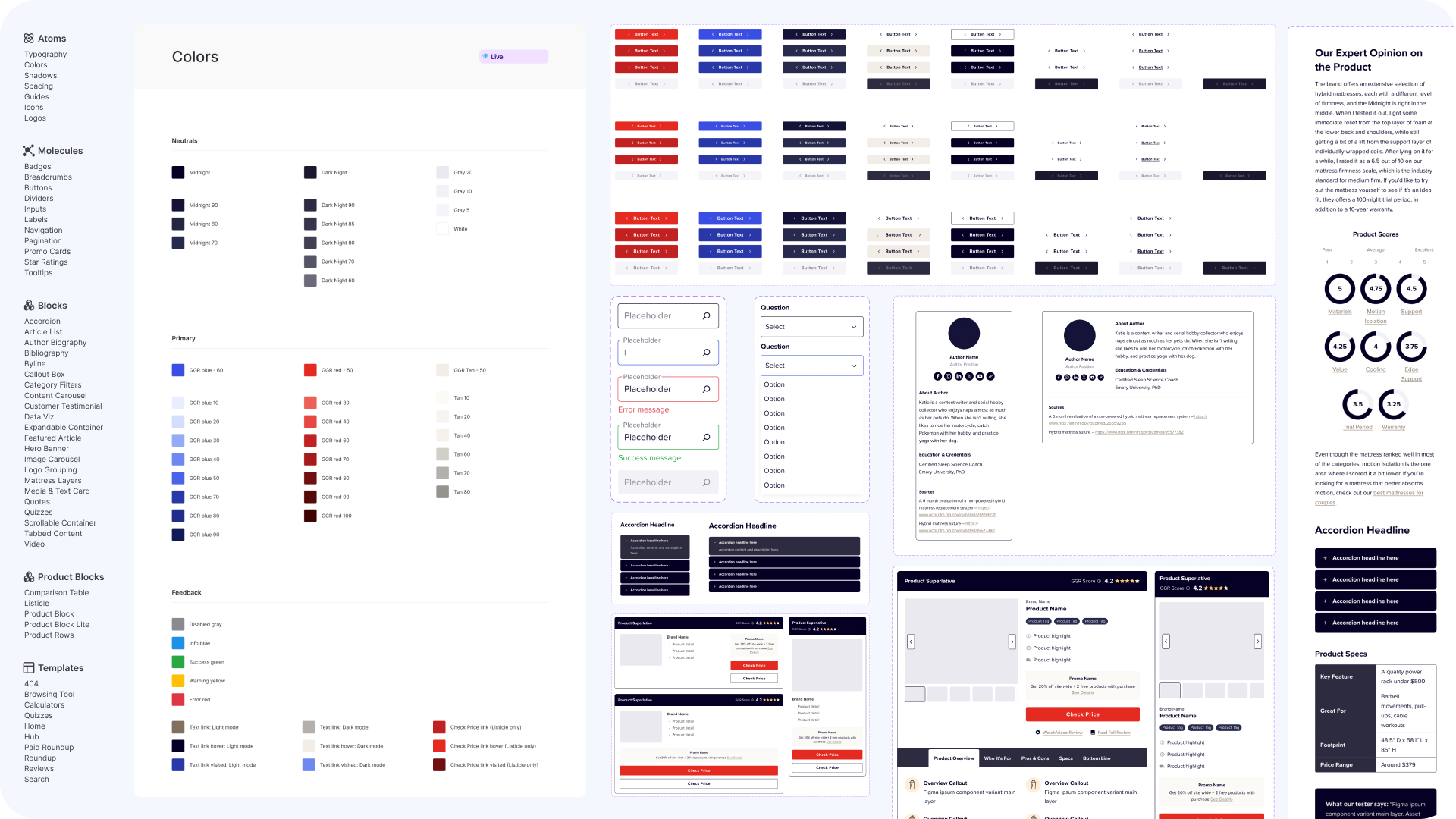
The strategic framework was applied across multiple brands, adapting UX systems to different audiences and monetization models.

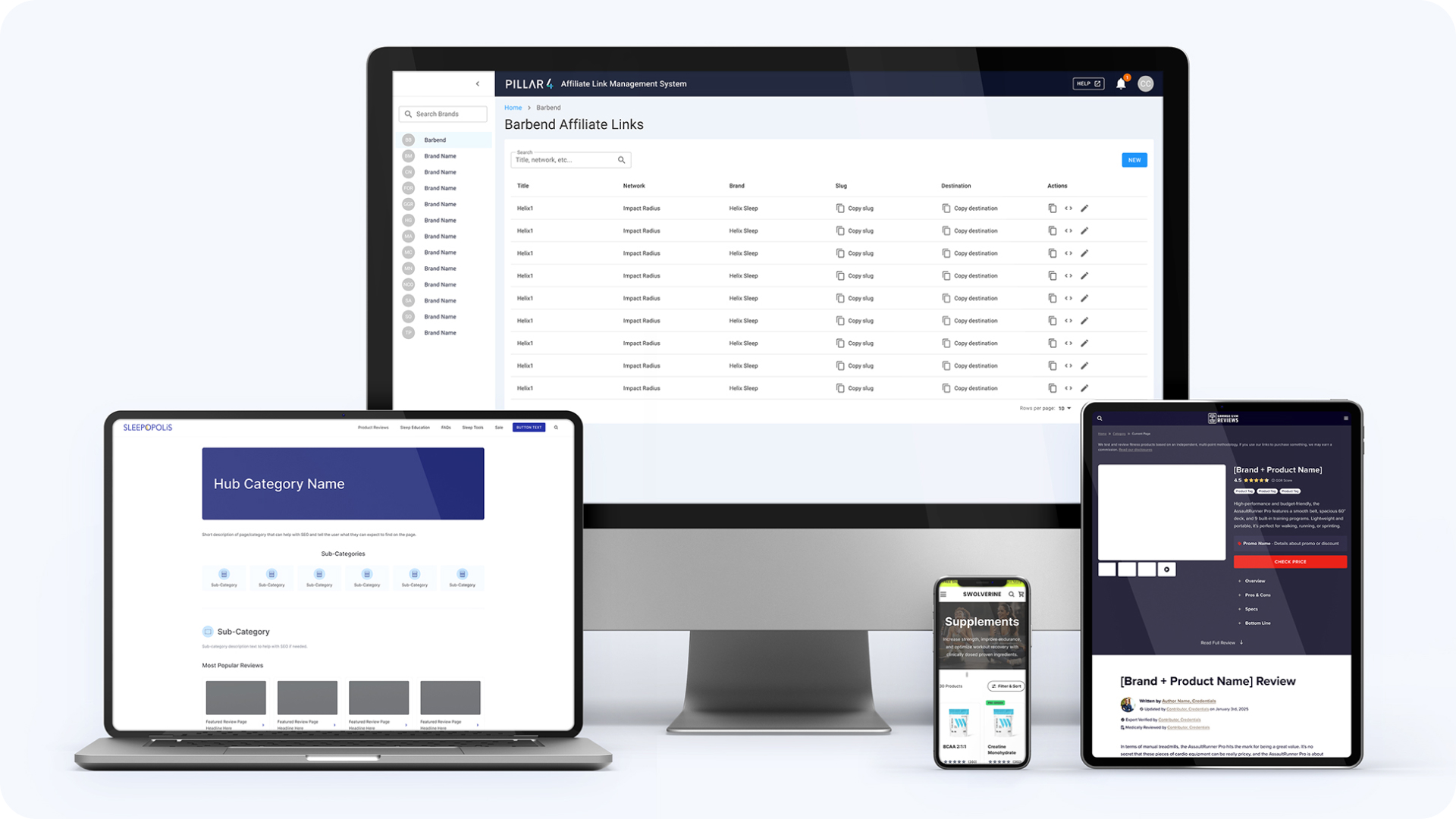
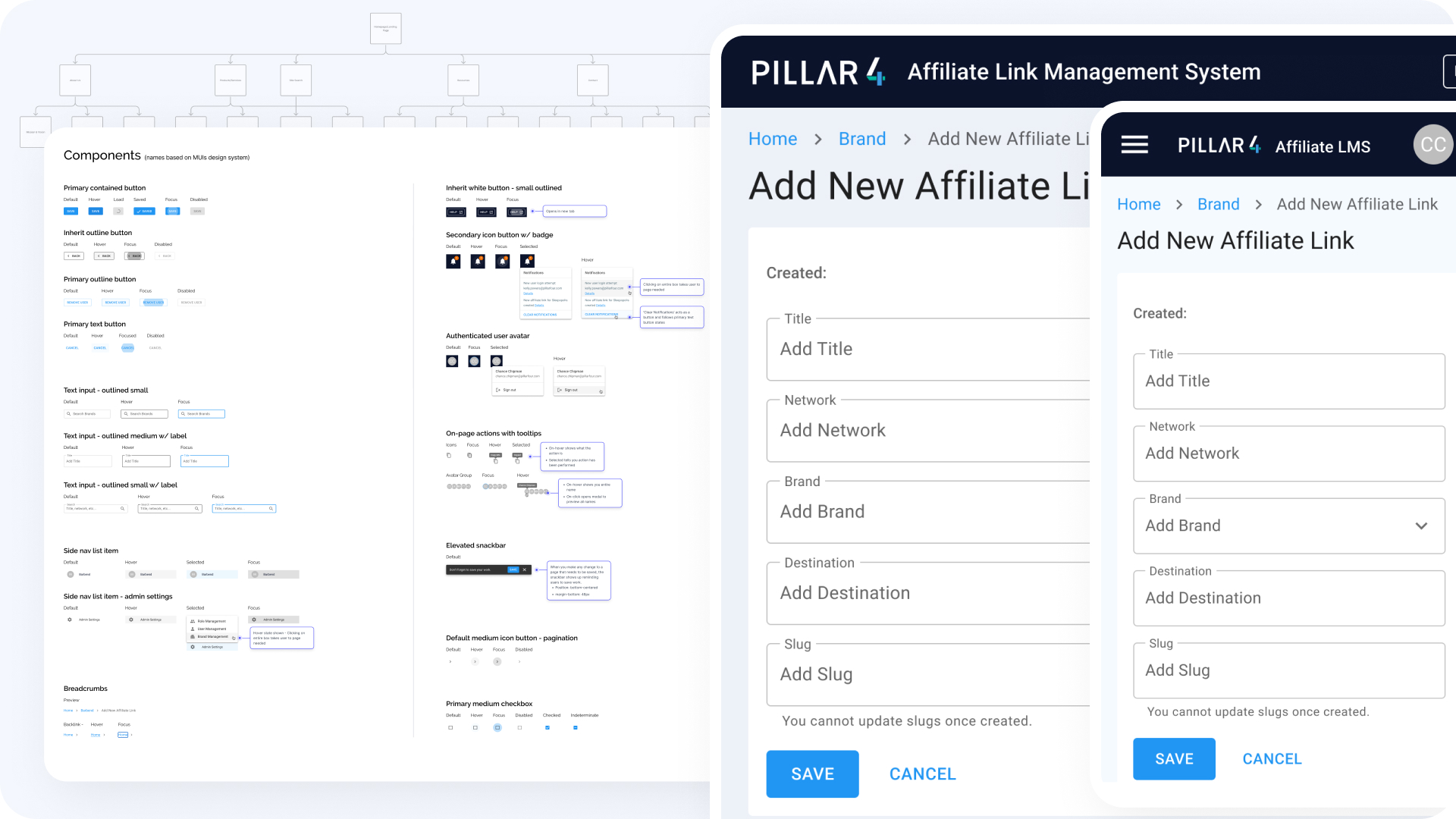
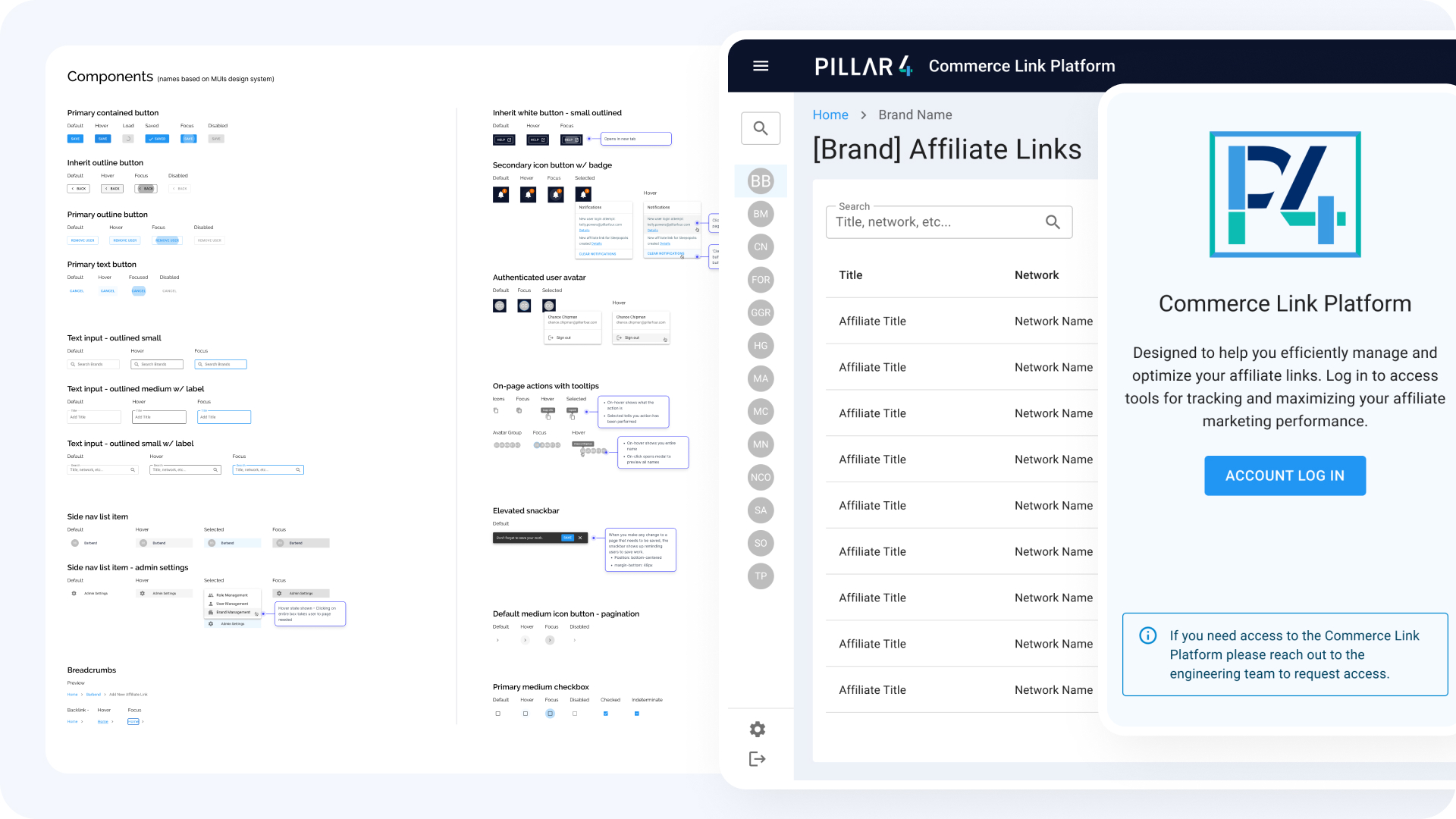
Commerce Link Platform

Internal Affiliate Commerce Infrastructure

Designed an internal platform used across Pillar4 brands to manage and distribute affiliate links across high-traffic content and commerce experiences.

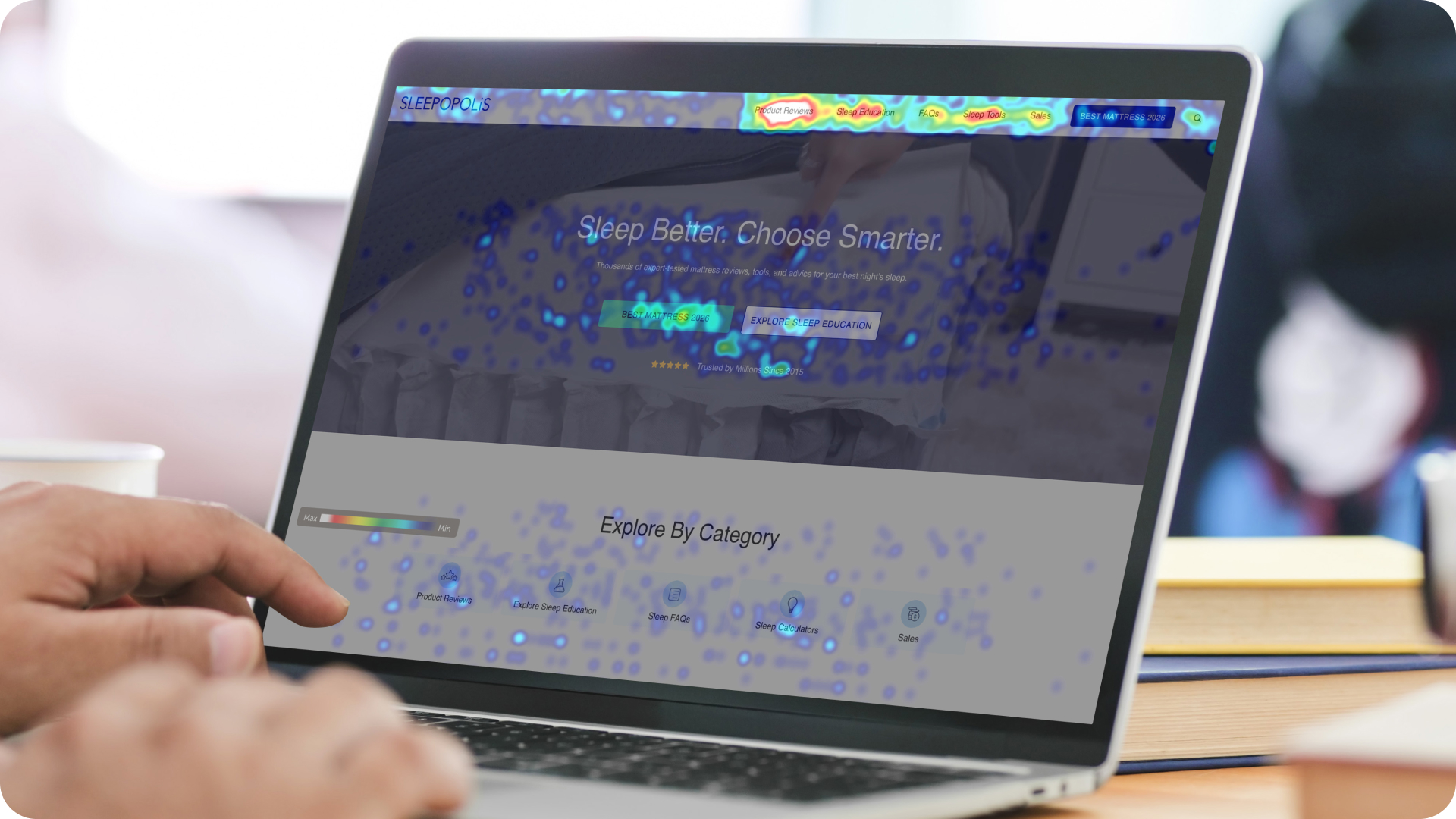
Sleepopolis

$15M+ in Affiliate Revenue Growth Over 3 Years

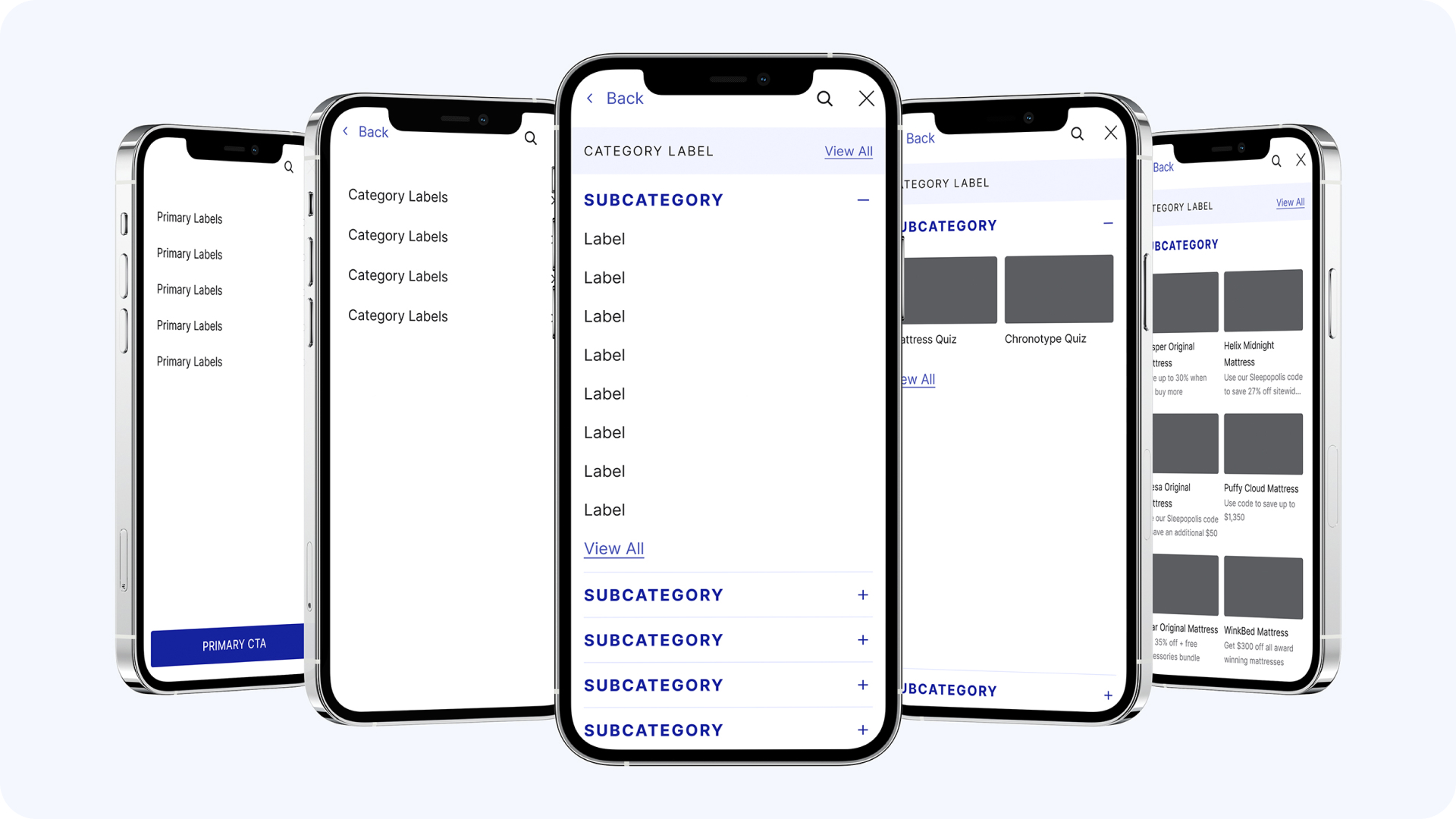
Led UX strategy and experimentation for a high-traffic affiliate platform, aligning search intent, content structure, and monetization pathways to drive sustained revenue growth.

Garage Gym Reviews

$5M+ in Revenue Growth Through Product-Focused UX

Led UX direction across Garage Gym Reviews, improving mobile usability, product discovery, and purchase decision clarity through structured experimentation and UX optimization.

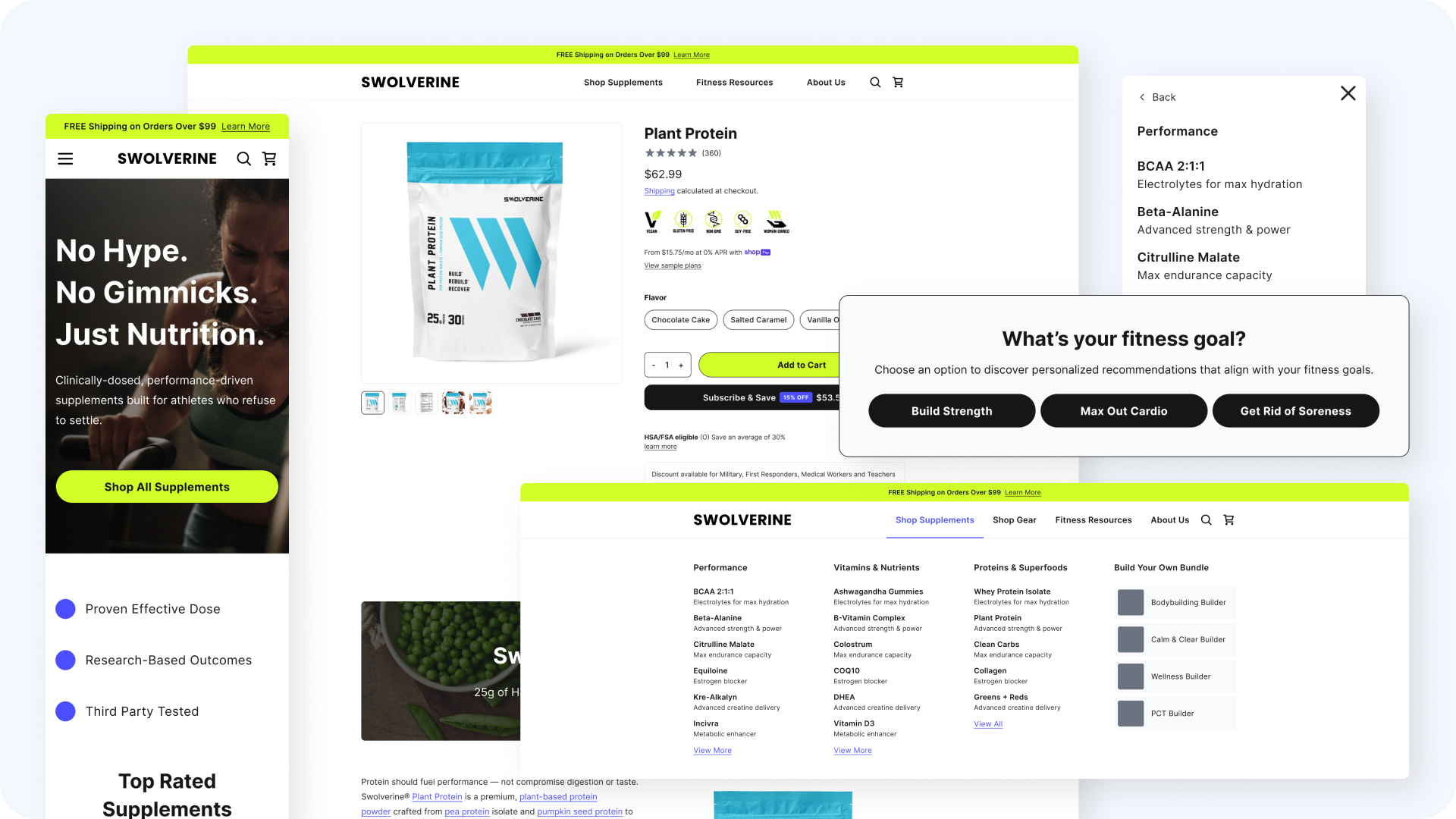
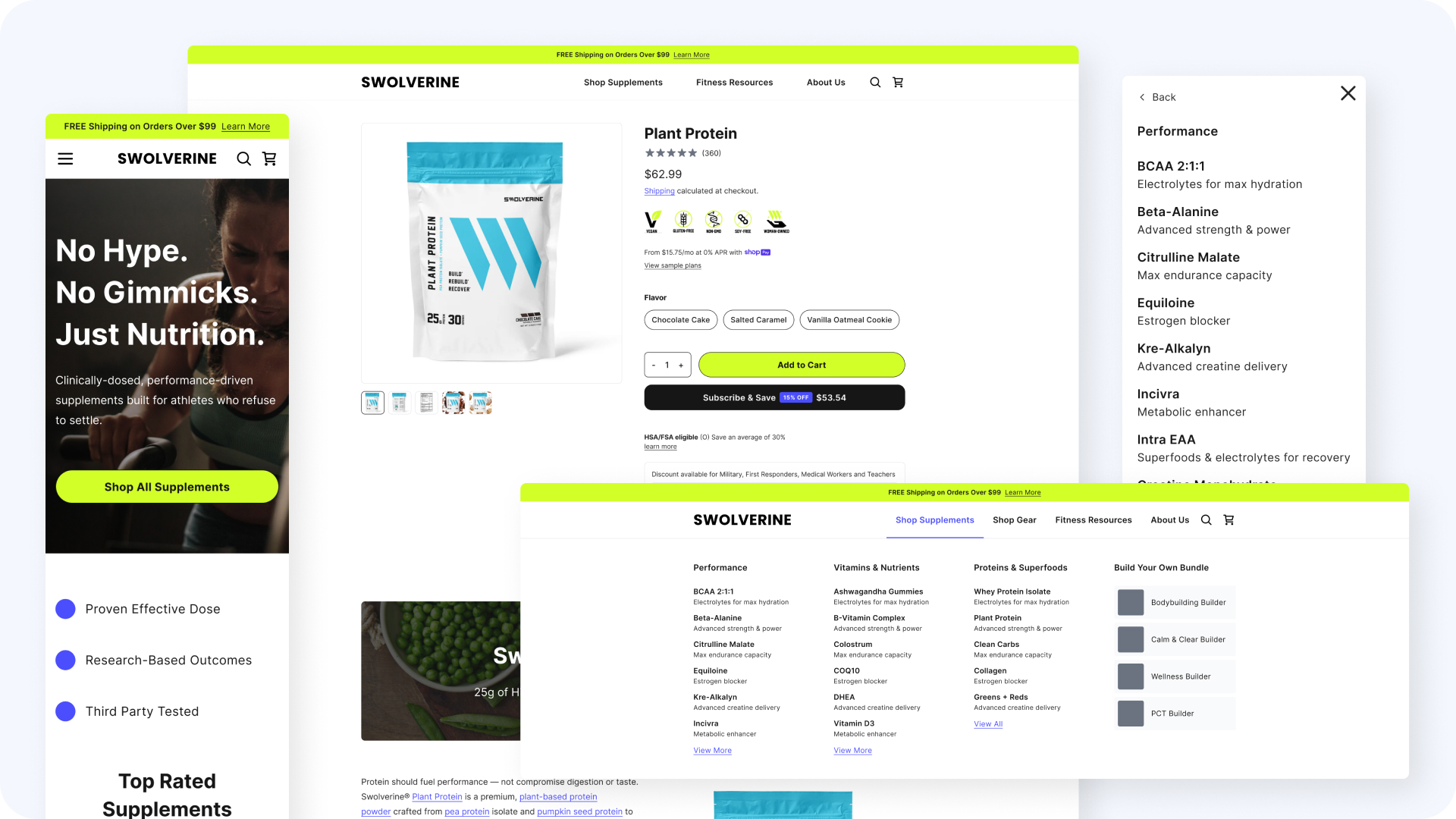
Swolverine

Ecommerce Product & Brand Transformation

Conducted a full UX audit and led a redesign of the Swolverine ecommerce experience to improve product discovery, supplement education, and mobile usability.

View Pillar4 Work

Sleepopolis

Garage Gym Reviews

Swolverine

Commerce Link Platform

Back